

Introduction:
One of the greatest challenges facing health seekers the world over is cancer, which strikes millions each year in different forms. Even as medical breakthroughs and advances in treatment thus far hold promise of increasing the odds against the disease, the truth is that prevention, and early detection remain the most powerful weapons in combating cancer spread worldwide. Mindful lifestyle choices, regular cancer screenings, and alertness to early danger signs can greatly alleviate cancer risks through prevention and the potential for treatment.
Following is an analysis of some methods for cancer prevention and early detection, including the role of clothing adaptive to the needs of ill individuals. Awareness of this disease among populations, modern technology, and holistic approaches to deal with cancer are discussed.

The Importance of Prevention: Lifestyle Choices That Matter:
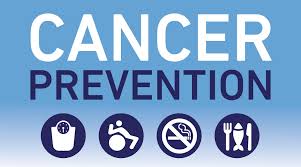
Involves the adoption of healthy habits and reduced exposure to known risk factors. Although some cancers arise from genetic tendencies; others could very well be prevented by empowering oneself with lifestyle choices that may reduce the risk of developing the disease. The following are tips on how to prevent cancer:
- Healthy Diet and Nutrition
An overall balanced diet packed with whole foods, fruits, vegetables, and lean proteins will help reduce cancer risk. Rich in antioxidants and compounds which can counteract with cancer-causing free radicals, some such foods include cruciferous vegetables (broccoli, cauliflower, Brussels sprouts), berries, and green tea.
- Limit processed and red meat: Several studies show that high intake (bacon and sausage) increases the risk of colorectal cancer.
- High sugar and refined carbohydrates: High sugar intake leads to obesity, a major, if indirect, risk factor for cancer.
- Increase fiber intake: High fiber diet aids digestion process and may prevent colorectal cancer.
- Incorporate cancer-protecting foods: Garlic, turmeric, nuts, and omega-3 fatty acids have been linked to lower cancer risk.
- Regular Physical Activity
Keeping yourself fit and physically active enables the prevention of cancer as it helps promote weight control in addition to increasing the immunity of an individual through regulation of hormones. About 150 minutes of moderate intensity exercises like brisk walking, cycling, or swimming are equally recommended. Exercises like strength training and yoga also build good general well-being and thus help combat cancer.

- Avoiding Tobacco and Limiting Alcohol Consumption
The primary causative factor in tobacco-related deaths is smoking. The other modes of tobacco can include smells or chewing tobacco, too. Most cancers, including breast, colon, liver, and lung characteristics, can also get induced upon excessive drinking, so restrict liquor consumption to that of moderate degrees. Also, keep away from exposure to secondhand smoke, which can also do much in reducing lung cancer risk.
- Sun Protection to Prevent Skin Cancer
Overexposure to UV radiation from sun or tanning beds will cause skin cancer, melanoma being one such type. The prevention tips are: Using a broad-spectrum sunscreen of SPF 30 or higher; Wearing Protections like clothed hats and shade; Prevention of exposure to the sun during peak periods, which is from 10 AM to 4 PM; Regular checks of the skin will help highlight one’s unfinished growth or its abnormalities.
- Vaccinations for Cancer Prevention
Some kinds of viruses are responsible for creating; fortunately, vaccines help in preventing them from causing infection.
- HPV vaccine protects against human papillomavirus, which causes cervical as well as throat cancers and other types of cancers.
- Hepatitis B vaccine prevention reduces the risk of liver cancer contracting hepatitis B.

The Power of Early Detection: Screening and Self-Examinations:
- Common Cancer Screenings for Early Detection
- Breast Cancer: Mammograms are recommended every 1-2 years for women over 40 or earlier for those at risk.
- Cervical Cancer: Pap smear plus HPV test detects early cervical changes. A woman should get her first screening at 21 and so on as would be determined by the doctor.
- Colorectal Cancer: Start screening colonoscopies from age 45 or earlier in those with family history.
- Prostate Cancer: Blood tests for PSA and digital rectal exams are undertaken once men reach 50 to detect prostate cancer in its early stages.
- Lung Cancer: If a person has a heavy smoking background, a low-dose CT scan is encouraged as an early detecting modality.
- Skin Cancer: Regular skin-checking appointments with dermatologists can help in the early detection of melanoma and other skin abnormalities.
- The Importance of Self-Examinations
With regular and routine checks, exploration of any unusual happenings might ensure an early diagnosis.
- Breast self-examinations: Women should look for lumps, skin changes, or nipple discharge.
- Testicular self-exams: Men should check for lumps or swelling in the testicles.
- Skin checks: Monitor your moles and new skin growths for signs of color, size or shape change.

The Role of Adaptive Clothing in Cancer Care
For patients with cancer, comfort and function become the central theme when considering apparel. Adaptive clothing offers solutions tailored specifically for the needs of cancer patients, improving their quality of life.
- Easy Dressing for Limited Mobility
Chemotherapy, radiation, and surgery can cause fatigue and functional deterioration with impaired mobility. Adaptive clothes:
- Magnetic closures for buttons and zippers
- Side openings for IV access
- Testing of soft, non-irritable fabrics suitable for a person’s skin that has been affected
- Too easy to wear but adjusts so that medical apparatus will not be a burden
- Post-Surgical Wear for Recovery
For comfort and healing, garments that cater to patients after surgeries like mastectomy are needed:
- Specialised post-mastectomy bras with pockets for prosthetics
- Shirts for drain management with interior pockets to hold the surgical drains
- Compression garments for circulation and control of swelling
- Loose, breathable fabrics to prevent friction irritation
- Stylish and Dignified Choices
Cancer treatment can be both an emotionally-distressing process and a self-esteem-busting experience. Anticipating the possibility of others being judgmental regarding one’s appearance, adaptive clothing brands are increasingly designing innovative and graceful options for use by the cancer patient who may otherwise feel ashamed when undergoing treatment. The psychological lift following the unrestricted comfort and active wear can be empowering, particularly when dealing with the natural possibility of a downtrodden soul.

Conclusion:
It is through the education of men and women on cancer plus lifestyle changes that they will be strengthened against the afflictions of cancer. Healthy living, preventive screening practices, and self-awareness provide significant risk reduction of cancer and enhance survivorship rates. Adaptive clothing also provides essential comfort, dignity, and well-being for individuals in treatment.
A strong community, technological advancement, and holistic treatment are key players in boosting the diabetics against cancer. Highlights on preventive care and early detection could give way to a future with fewer patients of cancer and more reasons to celebrate a good life in case it comes.
 It's the Time Of Your Life